
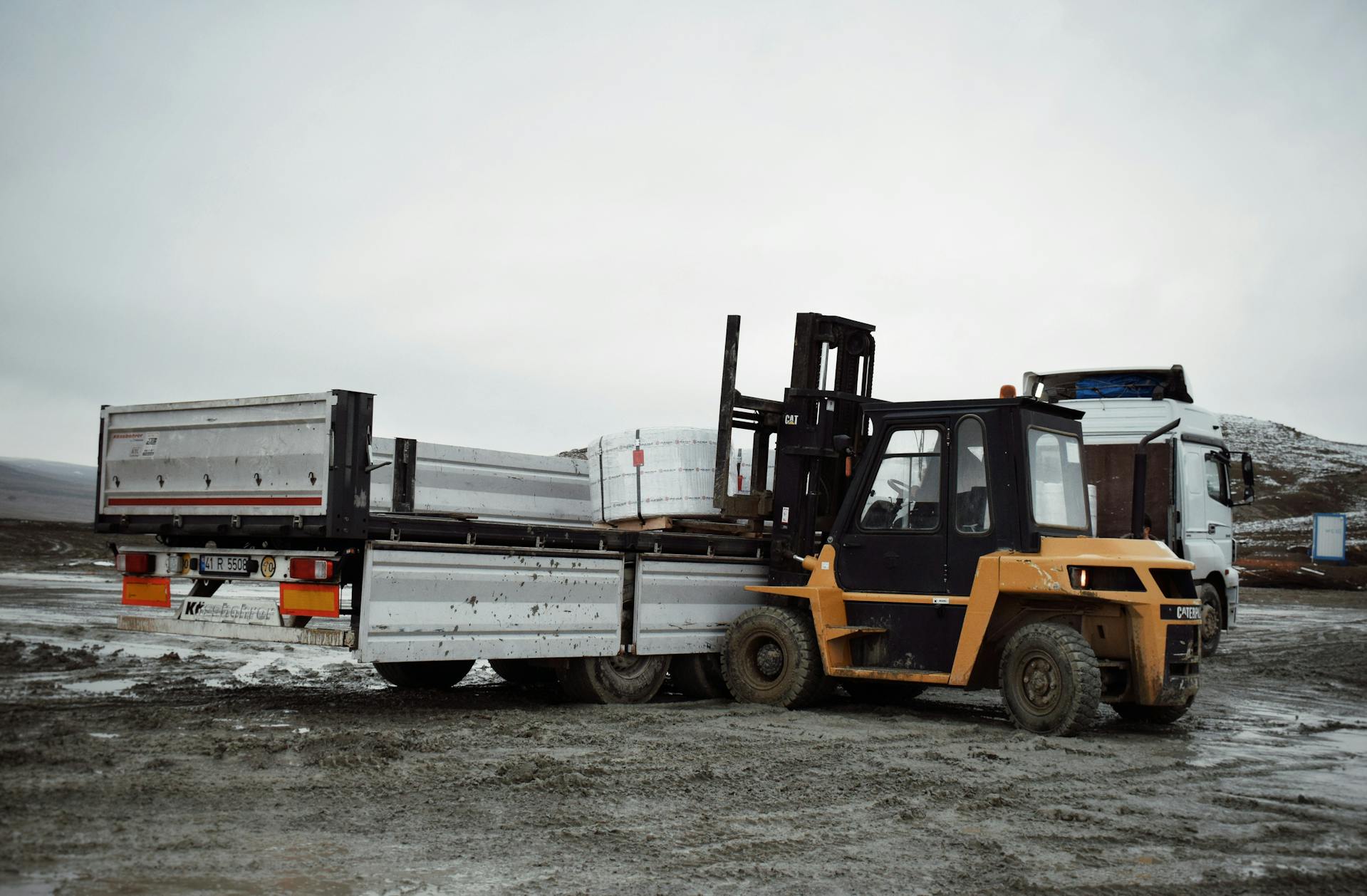
For many business owners, equipment repossession feels like the end of a painful chapter. The truck is gone. The machine is returned. The lender has the collateral back. Surely the debt is over, right?
Unfortunately, no.
One of the most common and costly misunderstandings we see at PRG is the belief that once equipment is returned or repossessed, the loan disappears with it. In reality, repossession often creates a new problem, one that catches owners completely off guard.
Understanding what happens after equipment repossession can help you avoid making a decision that leaves you deeper in debt.
Let’s walk through why this happens, what most owners don’t realize until it’s too late, and how to protect yourself if repossession is on the table.
Returning Equipment Does Not Erase the Debt
Many owners assume:
- “If I return the truck, I’m done.”
- “If they repossess it, that should settle the loan.”
- “They got the equipment back, what else could they want?”
The reality is starkly different.
Most equipment loans are structured so that the lender is owed a specific dollar amount, not just the equipment itself. When the asset is taken back, the loan doesn’t vanish. Instead, the lender sells the equipment and applies the proceeds to the balance.

Whatever remains after that sale becomes your responsibility.
That leftover amount is called a deficiency balance, and it’s often much larger than owners expect.
Equipment Loses Value the Moment You Use It
Joe explains this part bluntly: the second you “drive off the lot,” the value drops.
Even well-maintained equipment depreciates fast. Trucks, trailers, machinery, none of it holds value the way owners assume it does. By the time repossession is even a possibility, the asset is usually worth far less than the remaining loan balance.
That gap between:
- What is the equipment worth
- What you still owe
…creates the deficiency.
And that’s before fees, interest, or penalties are added.
Auction Sales Make the Deficiency Much Worse
Here’s the part that shocks most owners.
Repossession doesn’t mean the lender resells the equipment at a fair retail price. In most cases, it’s:
- Towed or seized
- Processed and stored
- Sent to auction
- Sold to the highest bidder
Auction prices are brutal. Joe regularly sees equipment sell for 20–40% of fair market value, sometimes even less.
“They typically go for fractions on the dollar.”
So if a truck might fetch $80,000 in a private sale, it could sell for $30,000, or less, at auction. That difference doesn’t disappear. It becomes your problem.
Personal Guarantees Mean the Debt Can Follow You
This is where things get personal, literally.
Most equipment financing includes a personal guarantee (PG). That means if the business can’t pay the deficiency, the lender can pursue the owner directly.
With a PG:
- The lender can sue you personally
- Your personal assets may be exposed
- Walking away is not an option
Many owners believe returning equipment limits their risk. In reality, it often exposes them to personal liability they didn’t realize was there.
Repossession Doesn’t End the Creditor Relationship
After the equipment is sold, the lender:
- Calculates the deficiency
- Adds interest, late fees, repo costs, and legal expenses
- Sends a demand for payment in full
Aggressive collections or legal threats often follow this.

Owners are stunned to learn they still owe tens of thousands of dollars after returning the equipment. The emotional whiplash is real and costly.
Should You Return the Equipment, or Keep It Working?
This is an important question Joe now raises with clients before repossession happens.
Some owners later say:
“If I’d known they’d sell it so cheap, I would’ve kept the truck and kept working.”
And sometimes, they’re right.
Keeping the Equipment Can Make Sense If:
- The equipment generates revenue
- Cash flow can support partial payments
- The business is still viable
- The equipment is essential to operations
In those cases, keeping the asset and negotiating terms may reduce long-term damage.
Returning the Equipment May Be Better If:
- The business is shutting down
- The equipment is underutilized
- Cash flow is collapsing
- The creditor relationship is beyond repair
There’s no universal answer. But blindly returning equipment without understanding the aftermath is a mistake.
Repo Risk Depends on the Type of Equipment
Not all repossessions are equal.
Rolling Stock (Trucks, Trailers, Vehicles)
- Easy to repossess
- Often seized overnight
- Very little warning
- Limited owner leverage
You can go to sleep with a truck and wake up without one.
Stationary or Fixed Equipment
- Harder to repossess
- Requires more legal steps
- Slower timeline
- More room for negotiation
This difference matters. It affects urgency, strategy, and whether you still have time to act.
Creditors May Repossess Even If You Want to Pay
This surprises owners the most.
Joe has seen cases where:
- The owner wanted to cure the loan
- They were willing to pay 100%
- They wanted to keep the equipment
But the creditor repossessed anyway.
Why? Because trust was gone. Too many broken promises. Too many inconsistent statements. Poor communication killed the relationship.
This connects directly to how you talk to creditors. Once trust is broken, logic no longer matters.
After Repossession, the Debt Becomes Unsecured
Here’s an important technical shift most owners don’t realize.
Once the equipment is gone:
- The lien tied to the asset disappears
- The remaining balance becomes unsecured debt
- Personal guarantees may still apply
This is where PRG can step in strategically.
Unsecured debt is often far more negotiable. Large reductions, structured settlements, or lump-sum resolutions become possible, especially when the lender knows recovery options are limited.
How PRG Helps After Equipment Repossession
At PRG, we help owners:
- Understand the true deficiency exposure
- Evaluate whether repossession makes sense before it happens
- Negotiate post-repo balances
- Structure settlements or payment plans
- Help minimize personal financial exposure tied to guarantees
Repossession isn’t the end; it’s a turning point. But whether that turn leads to recovery or deeper trouble depends on strategy.
Conclusion
If you’re facing repossession or thinking about returning equipment, don’t assume the debt disappears with the asset. In most cases, the opposite is true.
Understanding what happens after equipment repossession gives you the power to choose the least damaging path, and sometimes, to avoid repossession altogether.
If you want clarity before making a costly decision, PRG is here to help you think it through, strategically, not emotionally.
Because giving the equipment back is easy, dealing with what comes after takes planning.
Contact PRG today to review your options before you make a move you can’t undo.